AI Voice Cloning in 2026 — How It Works and What to Watch For
30 seconds of audio is now enough to clone a voice convincingly. Here is what that means, how it is being used, and what the real risks look like.
Relevant if you…
- ✓ You want to understand what voice cloning actually is and how it works
- ✓ You are a creator considering using voice cloning for podcasts or YouTube
- ✓ You want to understand the fraud risks and how to protect yourself
Skip if you…
- ✗ You are looking for a step-by-step tutorial on using ElevenLabs
- ✗ You need enterprise voice cloning for production use — contact Resemble AI directly
- ✗ You are looking for voice cloning for harmful or deceptive purposes
Voice cloning went from science fiction to consumer product in roughly three years. Understanding what it can and cannot do — and where the real risks sit — is now a basic digital literacy skill, not a niche tech topic.
This explainer covers the technology, the tools, the legitimate use cases, and the fraud risks — without the hype in either direction. Voice cloning is one of several AI capabilities that have matured quickly — our guide to 5 things AI can do that most people don’t know about walks through it alongside four others you can try free today.
What is AI voice cloning?
Voice cloning is the process of training an AI model on recordings of a specific person’s voice, then generating new audio of that person saying anything — text they never actually recorded. In 2026, what used to require hours of studio recordings and thousands of dollars in machine learning compute now takes 30 seconds of audio and a free account on ElevenLabs.
How fast has it gotten? ElevenLabs can clone a voice from as little as 30 seconds of audio. The output is convincing enough that most listeners in a 2024 study could not reliably distinguish it from the original.
How AI voice cloning actually works

Voice cloning uses a combination of a voice encoder (which extracts the unique characteristics of a specific voice — pitch, timbre, rhythm, accent) and a text-to-speech synthesis model. Modern cloning tools like ElevenLabs and Resemble AI use large neural networks trained on thousands of hours of diverse speech. When you upload a voice sample, the encoder maps your voice’s unique characteristics into a mathematical representation — called a voice embedding — that the synthesis model uses as a target when generating new speech. The more audio you provide, the more accurate the clone. But the quality threshold has dropped dramatically: 30 seconds is enough for a recognizable clone, and 2–3 minutes produces output that most people cannot reliably distinguish from the original.
How far has the technology come? The quality jump between 2022 and 2026 is dramatic. In 2022, cloning required 30+ minutes of clean studio recordings. Today, a 30-second voice note from your phone is enough to create a convincing clone.
The best voice cloning tools in 2026
ElevenLabs leads the field for quality and ease of use. Its Instant Voice Cloning feature (free tier: 10,000 characters/month) produces output that other tools have not matched at this price point. Resemble AI is the professional-grade alternative — used by studios and enterprise customers who need API access and enterprise security guarantees. PlayHT and Murf AI round out the top options, with PlayHT particularly strong for podcasters needing cloned narration at scale. For most individuals wanting to try voice cloning, ElevenLabs is the obvious starting point.
Free option worth trying: ElevenLabs free plan includes Instant Voice Cloning, 10,000 characters/month, and 29 languages. No credit card required.
What people actually use voice cloning for

The legitimate use cases for voice cloning in 2026 have grown significantly. Podcasters use it to fix recording errors without re-recording entire sessions — type the corrected line, generate the audio, splice it in. YouTubers translate videos into other languages while keeping their own voice. Authors narrate their own audiobooks without booking studio time. Accessibility users generate speech for people who have lost their voice to illness. Corporate training videos use executive voice cloning to maintain consistency across hundreds of modules. For businesses specifically, voice cloning lets a brand maintain audio consistency across ads, product videos, and customer service IVR systems without paying talent fees for every update.
Most common use cases: Eleven Labs reports that audiobook narration and YouTube video dubbing are the two most common legitimate use cases on their platform as of Q1 2026.
The risks — and how to protect yourself
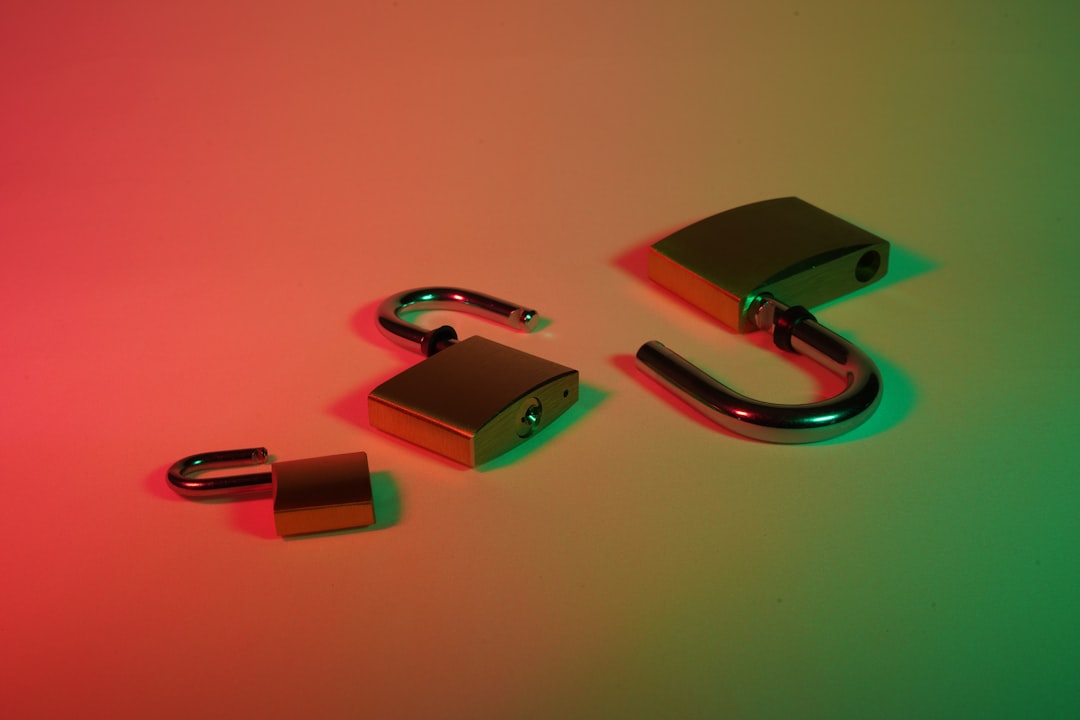
Voice cloning also creates real risks. Audio deepfakes — cloned voices saying things the person never said — have been used in financial fraud (family emergency scams, CEO voice fraud), political disinformation, and harassment. The technology to detect AI-generated voice is improving but not yet reliable enough to be a complete defense.
The practical protections available today: establish a personal “safe word” with close family and friends that a fraudster would not know. Banks and financial institutions are increasingly adding behavioral voice biometrics that detect cloned audio by identifying artifacts that human listeners miss. And be skeptical of unexpected voice calls requesting money or personal information, regardless of how familiar the voice sounds.
Real-world fraud example: In 2024, a finance employee wired $25 million after a video call with deepfaked versions of their CFO and other colleagues. The voices and faces were both AI-generated.
The bottom line
Voice cloning is genuinely useful for creators, businesses, and accessibility applications. The barrier to entry is now low enough that most people can try it in the next 15 minutes with a free ElevenLabs account.
At the same time, the same technology makes voice fraud significantly easier to execute convincingly. The practical response is not panic but appropriate skepticism — establish verbal authentication codes with family, verify unexpected financial requests through a second channel, and understand that hearing a familiar voice on a phone call is no longer sufficient verification of identity.
The technology will keep improving. The fraud risks will keep growing alongside the legitimate uses. Both are real, and both are worth understanding.
Voice cloning is one of several AI capabilities that have quietly become accessible to everyday users. For more on what AI can do right now, see 5 Things AI Can Do That Most People Don’t Know About or What Can AI Actually Do in 2026?.
Frequently Asked Questions
Q: Is voice cloning legal?
In most countries, cloning your own voice is legal. Cloning someone else’s voice without their consent is a different matter — it can violate personality rights, privacy laws, and in some jurisdictions, new AI-specific legislation. In the US, several states have passed laws targeting AI-generated voice fraud and non-consensual voice cloning. Always get explicit written consent before cloning another person’s voice for any public or commercial use.
Q: How do I protect my voice from being cloned without my consent?
There is no technical way to prevent someone from cloning your voice if they have recordings of you. The practical protections are behavioral: establish a verbal safe word with close family members to verify identity on calls, be skeptical of unexpected phone requests for money or personal information, and verify through a second channel (text or video call) before acting on any urgent voice request. Some phone carriers now offer AI voice fraud detection as a built-in feature.
Q: Can ElevenLabs clone any voice from a recording?
ElevenLabs can create a recognizable voice clone from as little as 30 seconds of clean audio. However, their terms of service require you to confirm you have the right to clone the voice — either it is your own or you have explicit consent from the person. They have systems in place to detect and remove clones of public figures created without consent. For best results, use 2–3 minutes of clear audio recorded in a quiet environment.
Keep reading
Voice cloning is one of 5 AI capabilities most people have not tried — with exact steps to test each one free today.
Read next8 real AI capabilities with the best free tool for each — honest about what works and what it still cannot do.